
There is so much joy, healing, and wisdom in learning from stories and history. That’s why history classes to me are the most enjoyable of all classes. That passion for history started way back when I was in elementary school as our history teacher Mr. Hassan had a very high sense of humor and he had a talent to fork out complicated issues into simple facts in a story that is easy to grasp.
Mr. Hassan once shared a story about how the French Colonizer Napoleon Bonapart got so intimidated by the greatness of the ancient Egyptian civilization that was depicted in architecture, arts, and monuments. The Ancient Egyptians used to record/ blog important life events on the walls of their temples and buildings in Hieroglyphic Ancient Egyptian language. Napoleon planned an attack to destroy the Sphinx; The famous statue that was built close to the famous Egyptian Pyramids, and to Napoleon’s surprise, only the nose fell off after the bombing.







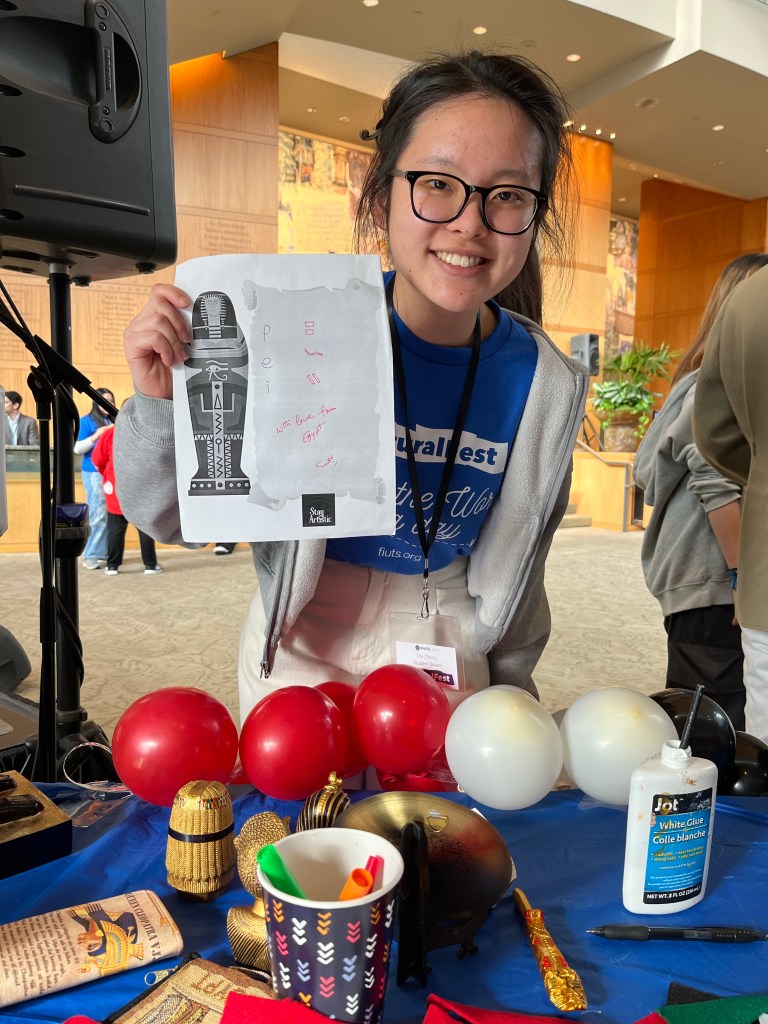




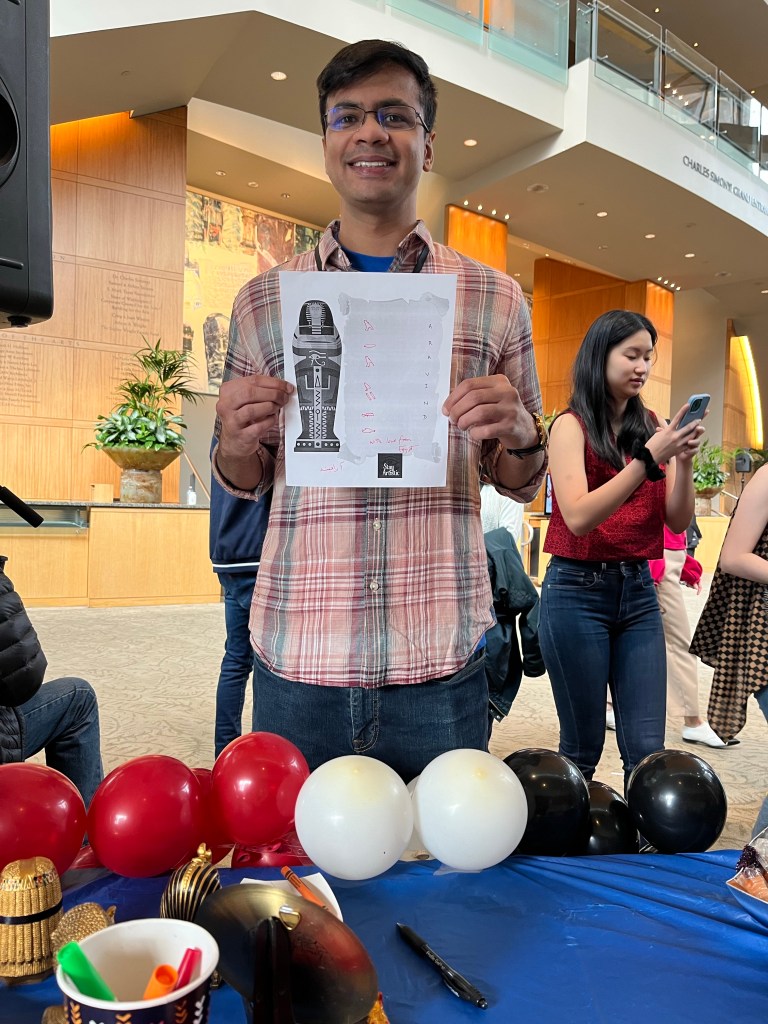
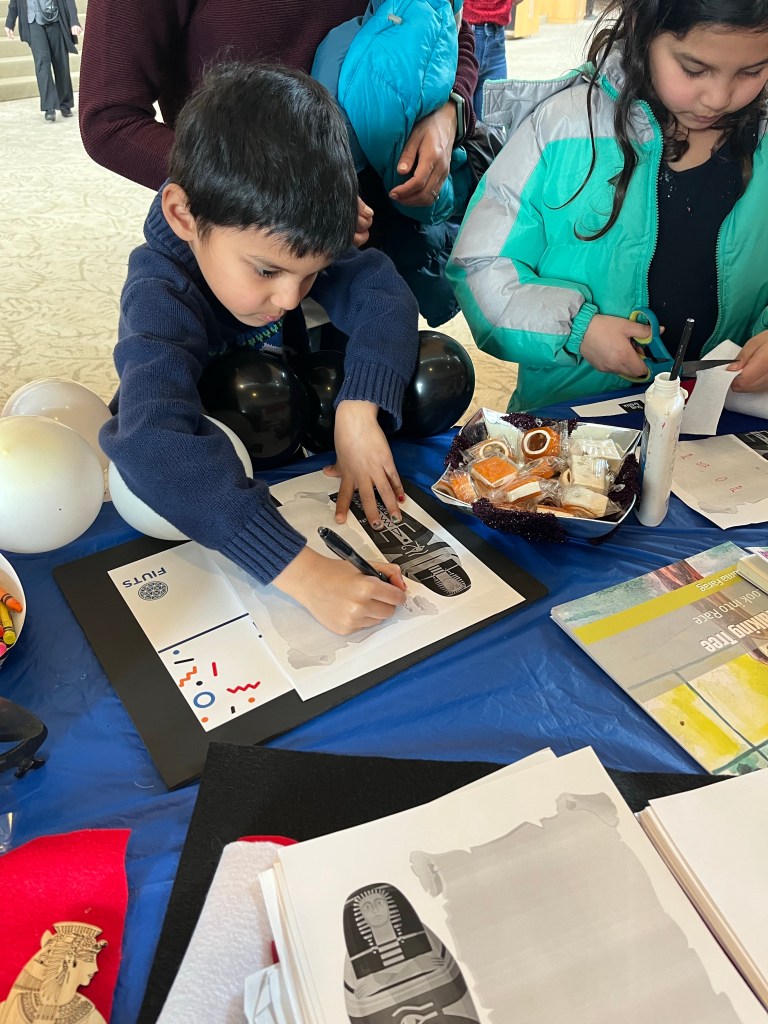




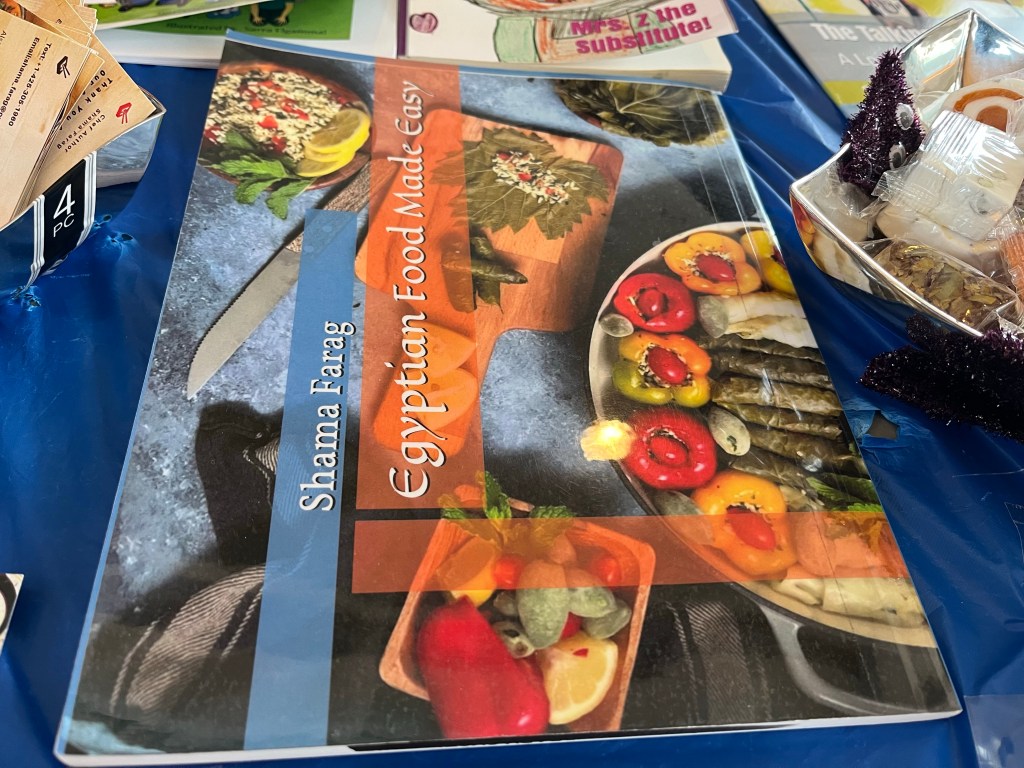

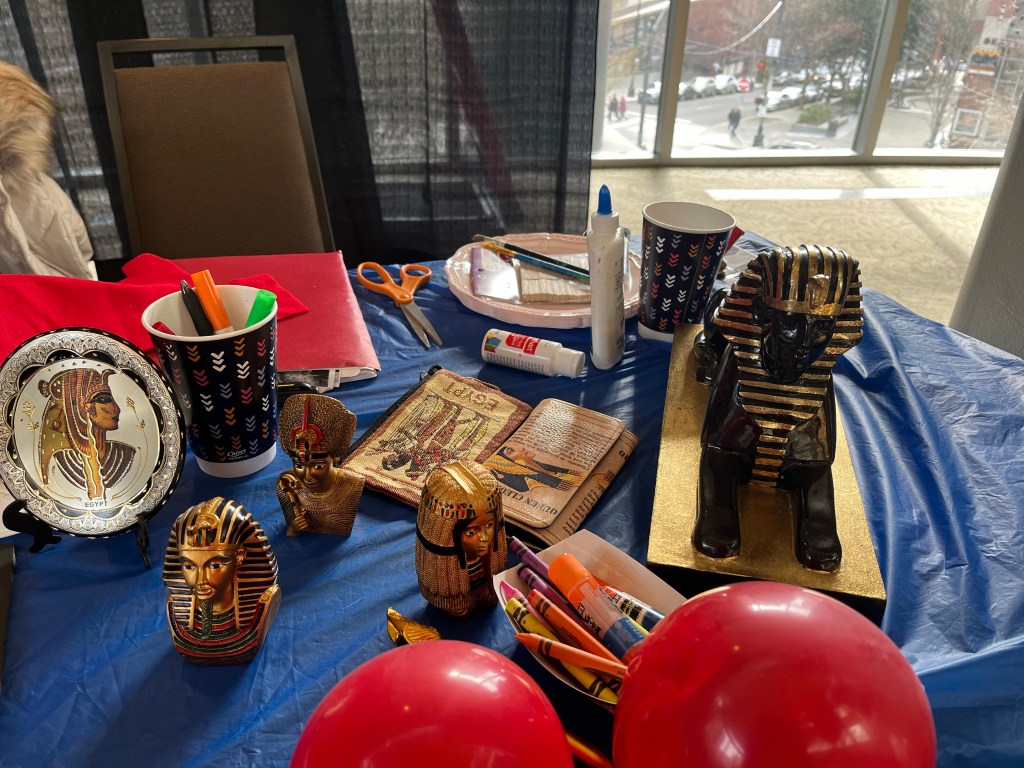



The ancient Egyptians were brilliant in chemistry and the medical field; hence, this knowledge allowed them to successfully preserve and keep their mommies in good condition for thousands of years despite humidity or extreme dryness. Also, we were told that the ancient Egyptians used to cast magic spells over their temples and pyramids to protect their fortunes, and jewelry that was saved by the deceased kings.
The pyramids are actually the tombs of those wealthy kings where they buried their mommies and the kings’ possessions as the ancient Egyptians believed in life after death and resurrection. So, they made sure to keep all the jewelry and the kings’ gold and luxurious things with them after they died.
After many attacks and burglary attempts on these tombs/ pyramids, the ancient Egyptians built the Sphynx close to those pyramids to scare away the thieves who were trying to sneak in and steal the dead kings’ fortunes. Apparently, the Sphinx had the body of a lion that shows power and strength and the head of an ancient Egyptian Pharoh to glorify the prestigious ancient Egyptian Pharaohs/kings.
It was said that Napoleon was so curious to navigate the hidden realm of those kings. He went deep into the mazy pyramids and unfortunately, he got lost. After a few days, he was safely rescued, but unfortunately Napoleon caught a hideous fever that led eventually to his death a few days later.
As sad as this story ended, it reminds me of the virtue of being courageous. Or maybe properly courageous. And let’s change our narrative around the term “courageous” because being overly courageous is not courage, it’s recklessness.
Of course, stepping up your truth is courage, being your honest voice is courage, being who you are is courage. Also, stepping away from things that weren’t meant for you is courage. Not trying to pry on things that weren’t supposed to concern you is courage. Refraining from harmful hyper curiosity and foreseeing consequences are other forms of courage. Let’s hope we seek the right form of courage at the right time and act accordingly.
P.S. The Hieroglyphic Ancient Egyptian language is no longer spoken or used in modern Egypt. Egyptians speak the Arabic language and English, French, and German among many other languages are taught as a second language in Egyptian schools.
Thanks for reading my blog. Feel free to checkout my book collection here, or order author copies through me here, email us at
stayartisticnow@gmail.com
Want to host an event? cooking class or a booth? Contact me shama_farag@outlook.com




Leave a comment